Fire management is essential for protecting lives, property, and the environment from the devastating effects of wildfires. Without proper strategies in place, fires can spread uncontrollably, leading to loss of biodiversity, destruction of landscapes, and severe air pollution. Proactive fire management practices help mitigate risks, enhance fire resilience, and support ecosystem recovery while ensuring public safety.
One of the most effective fire management strategies is hazard reduction and fuel load management. Overgrown vegetation, dry leaves, and fallen branches act as fuel for wildfires, increasing their intensity and spread. Regular maintenance, such as strategic clearing, controlled burns, and fuel break creation, reduces the likelihood of large-scale fire outbreaks and minimizes potential damage.
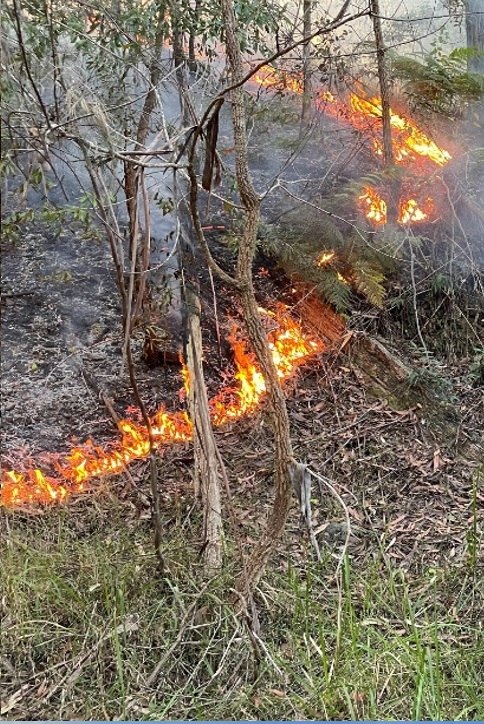
Controlled or prescribed burning is a crucial method used to manage fire-prone areas safely. By conducting low-intensity burns under controlled conditions, excessive fuel loads are removed without harming the ecosystem. These burns not only reduce wildfire risks but also help regenerate landscapes, promote soil health, and encourage the growth of fire-adapted plant species.
Firebreaks are another critical component of fire management. These are cleared strips of land that act as barriers to slow or stop the spread of wildfires. Placing firebreaks in strategic locations, such as around residential areas, agricultural lands, and infrastructure, significantly improves fire containment efforts. When combined with vegetation management, firebreaks provide an effective defense against wildfire threats.
Monitoring and early detection play a vital role in preventing destructive wildfires. Satellite imaging, drone surveillance, and fire weather forecasting enable experts to assess fire risks, identify ignition points, and respond promptly to potential outbreaks. Implementing community-based fire awareness programs ensures that people understand the risks and take necessary precautions to reduce fire hazards.
Indigenous fire management practices have been successfully used for thousands of years to maintain healthy landscapes and prevent uncontrolled fires. Cultural burning techniques involve small, controlled fires that clear undergrowth while preserving soil moisture and biodiversity. These methods not only reduce fire risks but also support the regeneration of native plant species and improve habitat conditions for wildlife.