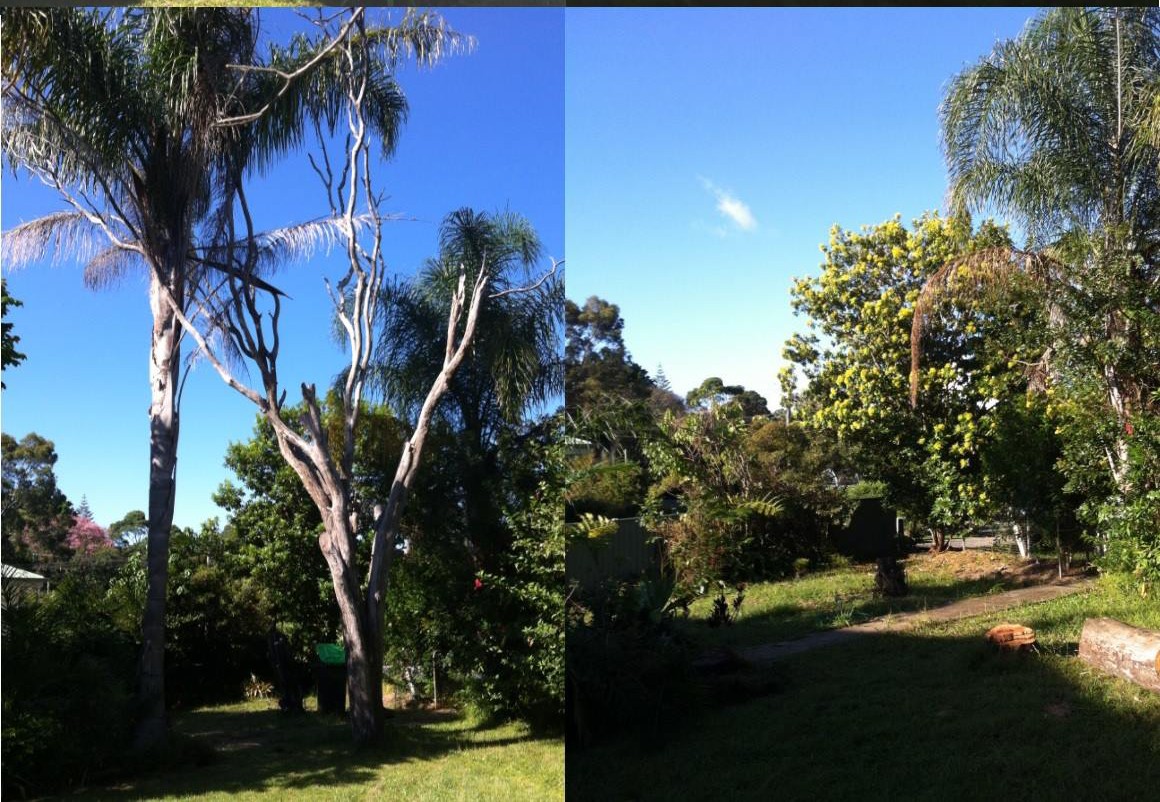
Effective vegetation management is essential for maintaining a healthy and balanced ecosystem. Overgrown or unmanaged vegetation can lead to several environmental and safety challenges, including increased fire risks, invasive species growth, and habitat degradation. Proper management techniques ensure that landscapes remain sustainable, functional, and environmentally friendly, benefiting both nature and local communities.
One of the key aspects of vegetation management is controlling invasive plant species. These species can spread rapidly, outcompeting native plants and disrupting the natural ecosystem. Through targeted removal and restoration techniques, native vegetation can be preserved, supporting biodiversity and maintaining ecological harmony. Strategic management also helps in enhancing soil health by preventing erosion and improving water retention.
Maintaining vegetation around critical infrastructure is another crucial element. Roadsides, power lines, and public spaces require regular maintenance to prevent obstructions and reduce safety hazards. Overgrown trees and shrubs can interfere with power lines, increasing the risk of blackouts and fire hazards. Proactive vegetation control minimizes these risks while ensuring compliance with environmental and safety regulations.
Vegetation management also plays a vital role in fire prevention and mitigation. Dry and overgrown vegetation serves as fuel for wildfires, intensifying their spread and impact. By implementing fuel reduction strategies, controlled burns, and land clearing, the potential for catastrophic fires can be significantly reduced. These efforts contribute to safer communities and protect the natural environment from long-term damage.
Another important focus is on habitat preservation and ecological restoration. Many native species rely on well-maintained vegetation for food, shelter, and reproduction. Overgrowth, deforestation, and human activities can disrupt these habitats, leading to population decline. Responsible management practices help in restoring natural landscapes, ensuring that wildlife thrives while maintaining the delicate balance of ecosystems.
Sustainable vegetation management requires the integration of modern technology and traditional knowledge. Advanced techniques such as GIS mapping, drone surveillance, and eco-friendly herbicides make vegetation control more efficient and less invasive. At the same time, traditional land care methods, including Indigenous land management practices, provide time-tested solutions for preserving natural landscapes. A combination of these approaches results in effective and sustainable outcomes.